Refill Smarter, Live Lighter

Welcome! This practical, upbeat guide shows how to locate and use local refill shops and bulk stations with confidence, from searching smarter to weighing containers, preventing spills, comparing unit prices, and building friendly relationships with staff. Expect clear steps, honest tips, and inspiring stories that make lower-waste shopping feel convenient, affordable, and genuinely fun in your neighborhood.

Find Nearby Refill and Bulk Options

Start by casting a wide net online and offline, then narrow choices using reviews, photos, and product lists. Combine map searches with community boards, local zero-waste groups, and farmers markets. Confirm hours, refill policies, accessibility, and payment methods before you go, so your first visit feels smooth, welcoming, and worthwhile.

Prepare Containers the Right Way

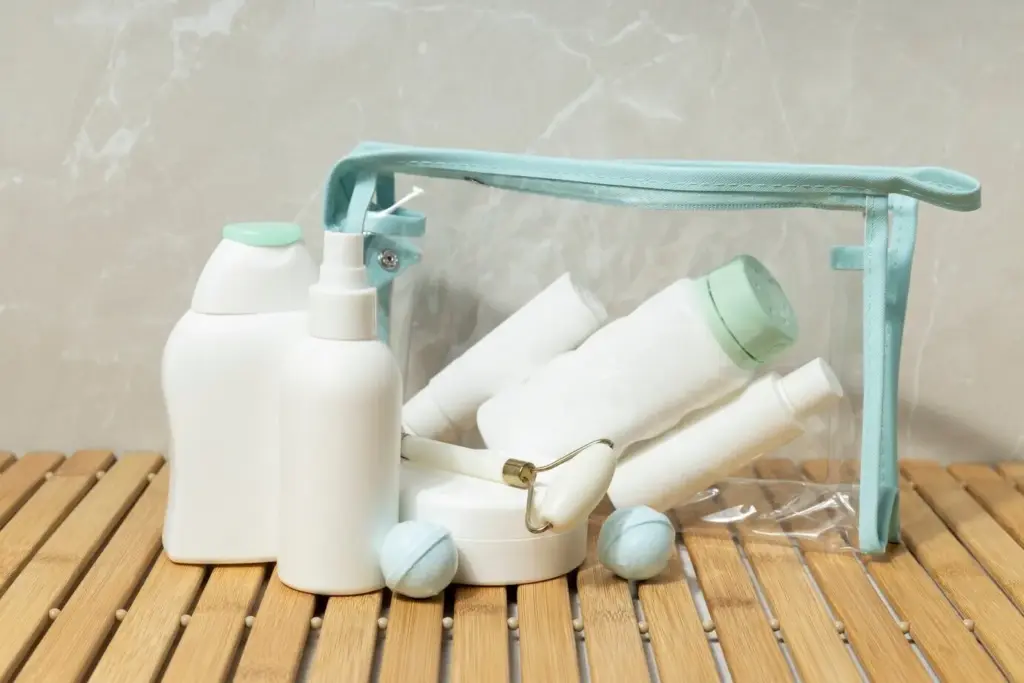
Bringing the right containers saves money and minimizes waste, but safety matters. Choose food-safe materials, match lids to contents, and keep everything spotless and completely dry. Plan convenient sizes, nested shapes, and labels that survive washing. Practicing at home helps you move confidently once you reach the dispensers.

Choosing Safe, Durable Materials

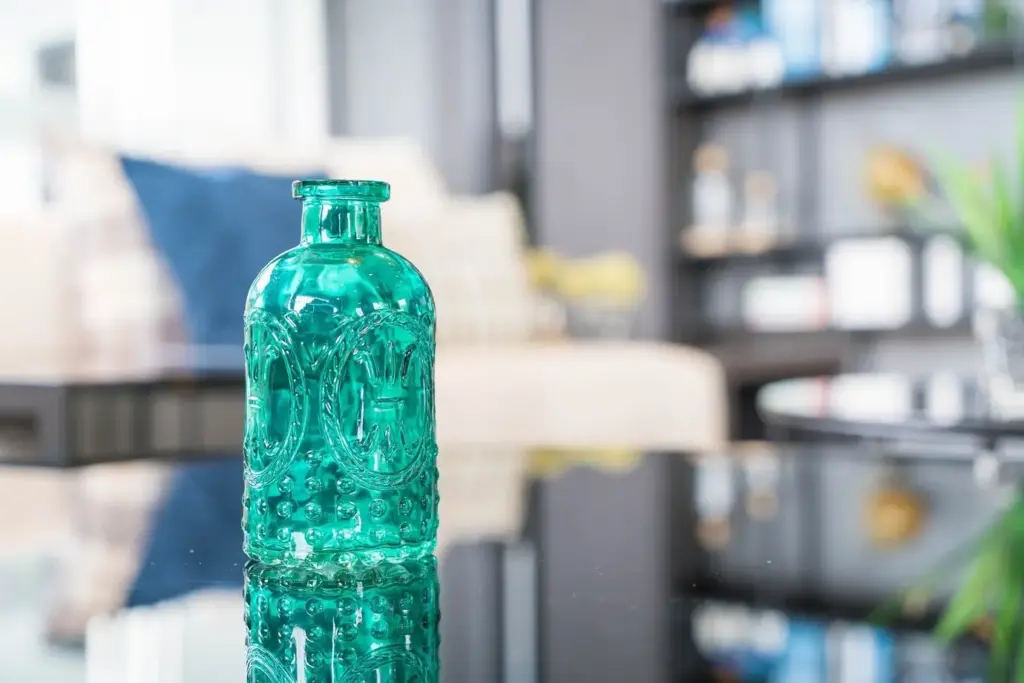
Glass works well for oils and sauces, stainless steel for coffee and spices, and HDPE/PP plastic for lightweight dry goods. Avoid containers that held strong odors. Wide mouths simplify scooping and cleaning. Keep a cloth bag of jars, bottles, and caps ready near your door.

Deep Clean and Dry, Every Time

Wash with hot water and unscented soap, then rinse thoroughly. Air-dry upside down until absolutely moisture-free to protect grains, flours, and powders from clumping or spoilage. Store lids separately to prevent trapped humidity. A quick sniff test confirms freshness before you head out.

In-Store Workflow for Smooth Refills

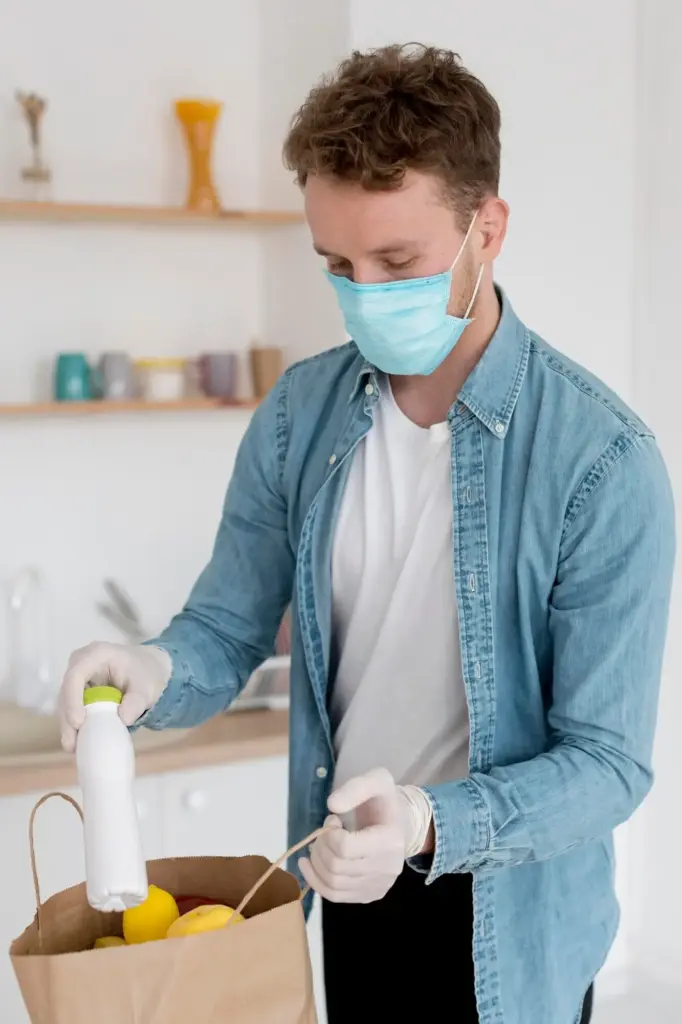
Once inside, slow down. Ask staff to explain house rules, then follow the same sequence each time: tare, fill, reweigh, label, and pay. Respect hygiene protocols, return scoops to holders, and wipe spills. Small habits prevent cross-contact, reduce waste, and earn appreciative smiles from the team.

What to Refill First

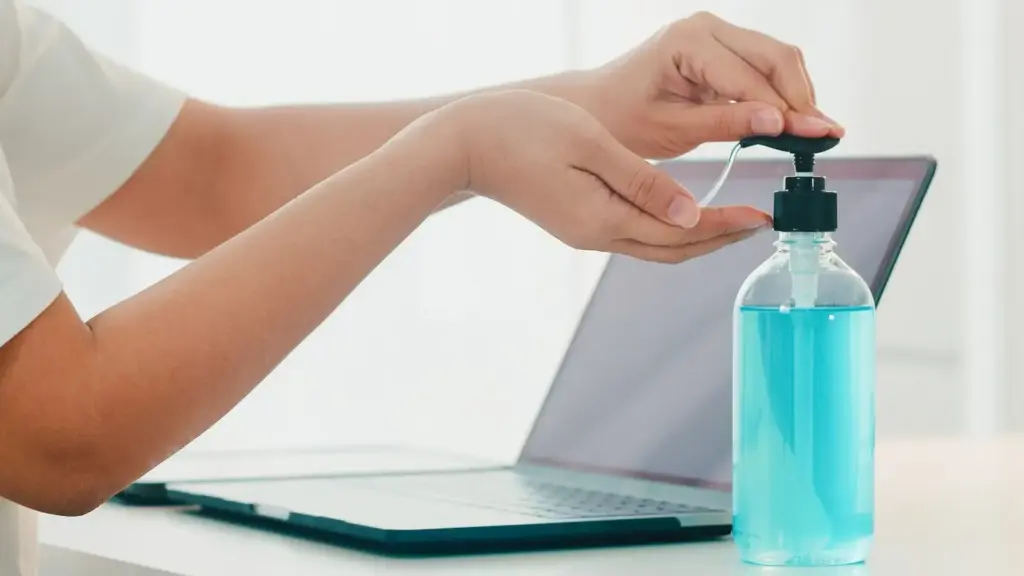
Start with high-turnover items so freshness and savings show up quickly. Pantry staples and cleaning concentrates are easy wins, while spices and oils transform flavor with less packaging. Choose a manageable list, celebrate each success, and adjust quantities as you learn your household’s actual pace.

Unit Pricing and Bulk Math Made Easy

Snap shelf tags for later math. Divide price by weight to get a clean unit figure, then compare across brands and package sizes. Factor in waste avoided, like plastic film and cardboard. Many stores post transparent spreadsheets; if not, politely request clearer unit pricing.

Quality Standards and Certifications

Ask about organic certifications, fair-trade sourcing, and roast or harvest dates. Quality drives satisfaction and reduces the urge to overbuy. Taste small amounts first. For cleaning products, review ingredient disclosures and third-party standards to ensure performance matches values without unwanted fragrances or harsh additives.

Time, Transport, and Habit Costs

Evaluate commute distance, parking fees, and the time you actually spend weighing, filling, and chatting. Consolidate errands, bike when practical, and keep a standing checklist to minimize forgotten items. Efficient routines protect budgets, reduce emissions, and help this habit feel easy enough to maintain.

Budget, Quality, and Hidden Costs

Bulk buying is not automatically cheaper, so compare unit prices, quality, and spoilage risk. Track per-ounce or per-hundred-gram costs, and prioritize items you finish regularly. Consider travel time, parking, and container investments. Over months, the combination of reduced packaging and smarter purchasing compounds meaningful savings.

Community, Etiquette, and Advocacy

Refill culture grows through kindness and conversation. Introduce yourself, thank staff, and share constructive suggestions when something confuses you. Join local groups, swap empty bottles, and coordinate carpools. Post positive reviews and tips. Together we normalize reuse, nudge policy improvements, and make packaging waste feel outdated. Tell us your city and favorite refill stop, and we’ll update a community map and feature practical tips in future guides.
Nekemoravipumapizufa
Privacy Overview

This website uses cookies so that we can provide you with the best user experience possible. Cookie information is stored in your browser and performs functions such as recognising you when you return to our website and helping our team to understand which sections of the website you find most interesting and useful.