Refill, Reuse, and Save: Home Systems That Cut Costs and Waste
Why Refilling Changes the Math at Home
Cost Curves for Concentrates and Bulk
Concentrates and bulk purchases usually cost more upfront but deliver far lower cost per dose over weeks and months. When you calculate price per milliliter of active ingredient, the curve bends in your favor as refills accumulate. You also avoid repeated markups on single‑use packaging, which quietly inflate prices. A simple tally of uses per container reveals how quickly the investment pays back, especially for high‑turn items like dish soap and all‑purpose cleaner.
Hidden Expenses: Trash, Trips, and Time
Most people count the price on the shelf and overlook the quiet costs that mount afterward. Trash bags fill faster with empty bottles, prompting extra purchases and hauling. Car trips for urgent replacements cost fuel, time, and attention. Refilling reduces these frictions by consolidating shopping into fewer replenishments and cutting packaging volume dramatically. The result feels like a calmer home logistics plan, where essentials simply exist when needed without last‑minute scrambles or wasteful backup purchases.
Packaging Footprints and Everyday Emissions
01
Shipping Water Versus Shipping Active Ingredients
Traditional cleaners are often mostly water, which adds weight and volume to every truckload. Concentrates flip that ratio, sending the cleaning power while you add water at home. Fewer pallets move for the same number of uses, trimming fuel burned per wash, wipe, or rinse. Over thousands of households, that change multiplies dramatically, helping logistics systems operate with a measurably smaller footprint while your cabinets store more efficacy in less space.
02
Refillable Containers and the Energy They Avoid
Each new plastic bottle embodies energy from extraction through manufacturing and molding. Reusing a sturdy container spreads that embedded energy across many cycles, pushing down the footprint per use. Glass or high‑quality plastic options can last years with simple care. The benefit grows with every refill, especially for products you rely on weekly. Pairing durable containers with concentrated refills turns a disposable pipeline into a circular habit that cancels repeated production demand at the source.
03
Recycling Helps, Reuse Helps More
Recycling is important, yet not all packaging gets captured, and processing still consumes energy. Reuse eliminates the need to process new items at all, which is why reducing and reusing sit above recycling in most environmental hierarchies. Home refills make reuse practical rather than theoretical. Mark containers, keep funnels nearby, and you’ll find the routine feel effortless. With every cycle, the avoided bottle is a tangible environmental win you can count and celebrate.
Setting Up a Smooth Home Refill Routine
Stories From Kitchens, Bathrooms, and Closets

Cleanliness, Health, and Product Performance
Do Concentrates Clean as Well as Regular Brands?
Performance comparisons work best with like‑for‑like tests: same cloth, same soil, same surface. Users often report equal or better results when dosing is correct, because active ingredients are present at intended levels. Overdosing can leave residue, so follow caps or lines. When tasks vary—from greasy pans to bathroom tile—adjust dilution within the suggested range. Keep notes for two weeks; most households find a reliable setting that balances cleaning power, rinsability, scent strength, and value.
Hygiene Practices for Decanting and Storage
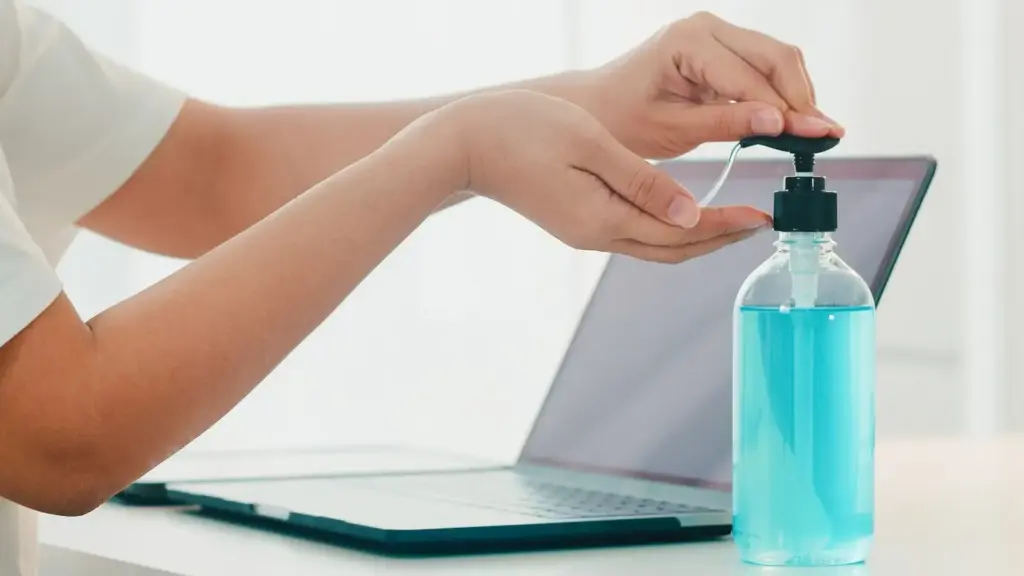
Before refilling, wash bottles with warm soapy water, rinse thoroughly, and air‑dry upside down. Use clean funnels, wipe threads, and cap promptly to limit contamination. Store concentrates tightly sealed, away from heat and sunlight. Replace sprayer heads if they sputter or stick. Keep child‑resistant closures where required, and never transfer hazardous products into drink containers. These small practices preserve quality, reduce odors, and prevent accidental mixing, making your setup dependable and reassuring for every user.

Try a Four‑Week Pilot and Note Every Outcome
Pick two everyday products, like dish soap and an all‑purpose cleaner. Record baseline spending and empties for one week, then switch to refills for three weeks. Tally cost per use, time spent shopping, and packaging avoided. Capture obstacles too, such as clumsy funnels or confusing labels, and fix them. After four weeks, decide whether to expand. This short, structured test builds confidence with real data from your home, not guesses or borrowed estimates from elsewhere.
Simple Spreadsheet Math for Payback and Waste
Set up four columns: product, cost per dose, doses per container, and containers avoided. Add a row for each item you refill. The sheet calculates payback when the savings outrun the initial container purchase. Include a packaging tally using approximate weights or simple counts. Update weekly for five minutes. The visual trendline helps you see momentum, diagnose hiccups, and communicate progress to housemates who appreciate clear numbers more than abstract promises.
Share Results, Ask Questions, Join the Conversation
Post your before‑and‑after photos, savings charts, and funny mishaps that taught you something. Invite neighbors to swap tips on funnels, pumps, and labeling tricks. Ask questions when dilution ratios confuse you; others have solved the same puzzles. Subscribe for future experiments, seasonal checklists, and new product comparisons. Your feedback shapes upcoming guides and inspires fresh trials. Together, we refine smarter routines that respect budgets, reduce waste, and make daily chores feel gracefully manageable.
All Rights Reserved.